USA
USA UAE
UAE Canada
 Spain
SpainWeb Design Trends 2026: Innovative UI Trends Shaping User Experience
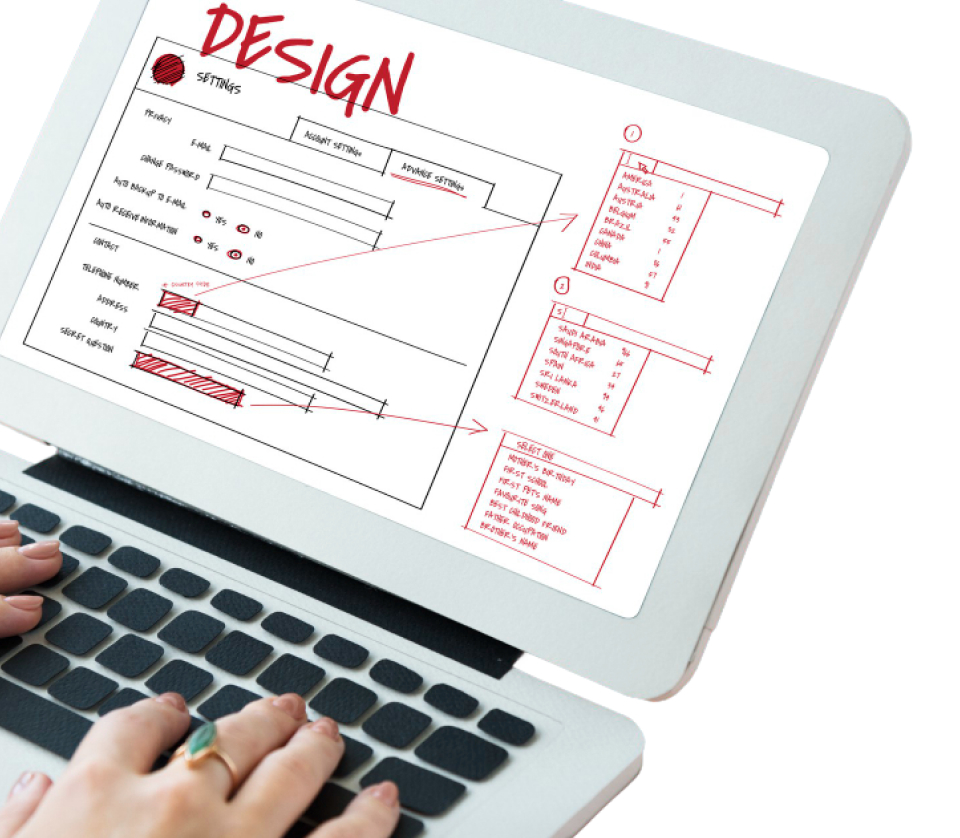
The digital landscape is evolving faster than ever. By 2026, web design is no longer just about aestheticsit’s about creating intelligent, human-centered websites that engage users, guide actions, and drive business results. A website must act as a 24/7 salesperson, providing seamless experiences across devices while reflecting the brand’s identity.
Investing in professional web design service and web development service ensures your website stays ahead of the curve, leverages cutting-edge trends, and maximizes conversions.
What Are The Current Trends in Website Design?
Modern web design focuses on user-centricity, interactivity, and performance-driven features. Businesses that integrate these trends improve engagement, conversion rates, and overall brand perception. The key trends for 2026 include:
- Smarter, human-centric experiences
- Mobile-first, thumb-friendly design
- AI-driven hyper-personalization
- Modern minimalism and white space
- Bold typography
- Immersive visuals including 3D and AR
- Micro-animations
- Conversational UIs and chatbots
- Sustainable and ethical web design
Accessibility and inclusive experiences
1. Smarter, Human-Centric and Efficient Experiences
Websites are increasingly designed to anticipate user behavior. By leveraging AI, intuitive navigation, and predictive interactions, modern sites reduce cognitive load and make user journeys seamless.
Benefits include:
- Personalized content suggestions
- Predictable and efficient navigation
- Increased engagement and session duration
Human-centric design ensures visitors feel understood and supported, improving conversion rates naturally.
2. Mobile-First Approach for Thumb-Friendly Websites
With mobile traffic dominating web usage, a thumb-friendly, responsive design is critical. This approach focuses on:
- Legible fonts and clear visuals
- Large, tappable buttons and interactive elements
- Navigation optimized for single-handed use
A mobile-first design guarantees consistent user experience across devices and reduces bounce rates.
3. AI-Driven Hyper-Personalization
AI enables dynamic, real-time personalization based on user behavior, location, and preferences. Features include:
- Tailored homepage experiences for new vs. returning users
- Personalized product or content recommendations
- Adaptive UI elements that adjust according to user interactions
Personalized experiences keep users engaged and significantly improve conversion rates.
4. Tools Enabling Personalization for All
AI-powered tools, recommendation engines, and content management platforms help businesses deliver personalized experiences efficiently.
Tip: Optimizing personalization without overwhelming users is key for engagement and trust.
5. Modern Minimalism & White Space
Minimalist design is functional, improving clarity and usability. Using white space strategically:
- Highlights critical content and CTAs
- Reduces cognitive overload
- Guides users naturally through the site
Clean, uncluttered layouts make information digestible while enhancing visual appeal.
6. Maximized, Bold Typography
Typography is now a powerful storytelling tool. Oversized fonts, animated text, and strong visual hierarchies:
- Improve readability
- Reinforce brand personality
- Direct attention to important content
Bold typography paired with a minimalist design can transform user engagement.
7. Immersive Elements: 3D Visuals and Augmented Reality
Interactive 3D elements and AR create memorable, immersive experiences. Applications include:
- Virtual product demos
- Interactive storytelling
- Try-before-you-buy AR experiences
Such immersive elements increase engagement and can directly influence purchasing decisions.
8. Micro-Animations and Motion UI
Subtle animations enhance usability without distracting users. Common examples include:
- Hover effects and button animations
- Loading and scroll-triggered animations
- Visual feedback for interactions
Micro-animations make websites feel dynamic, responsive, and alive, improving user satisfaction.
9. Conversational UIs
Conversational interfaces, including chatbots and AI assistants, provide real-time support. Benefits:
- Instant customer guidance
- Personalized recommendations
- Streamlined navigation and improved lead generation
Conversational UI enhances interactivity and helps reduce friction in user journeys.
10. Sustainable and Ethical Web Design
Eco-conscious websites focus on:
- Lightweight, efficient code
- Fast-loading pages
- Ethical UX practices, avoiding dark patterns
Sustainable design reduces energy consumption, improves SEO, and builds user trust.
11. Accessibility and Inclusive Design
Inclusive design ensures all users, including those with disabilities, can access your website. Features include:
- Screen reader compatibility
- Proper contrast ratios
- Accessible forms and navigation
Accessibility not only improves usability but also enhances SEO and broadens audience reach.
Final Considerations for Designers
Designing a modern website in 2026 goes far beyond aesthetics. Every decisionfrom layout and typography to animations and personalizationmust contribute to a seamless, user-centered experience while supporting business objectives. Here are the key considerations for designers:
1. Balance Aesthetics with Usability
While visually striking designs capture attention, usability ensures visitors can interact effectively with your website. A beautiful website is only successful if users can:
- Navigate easily without confusion
- Understand the content quickly
- Complete actions like signing up, purchasing, or contacting your business
The key is to create a harmonious design where visuals guide users intuitively rather than distract them. For instance, bold typography can highlight key points without overwhelming the interface, and white space can help users focus on what matters.
2. Integrate Personalization Thoughtfully
Personalization enhances user experience, but overdoing it can feel intrusive. Effective personalization should:
- Present relevant content or products without overwhelming the user
- Use behavioral data ethically and transparently
- Adapt dynamically to user interactions and preferences
Thoughtful personalization improves engagement, fosters trust, and can increase conversions by delivering exactly what the user needs at the right moment.
3. Prioritize Accessibility and Inclusivity
Accessibility is no longer optional, it’s essential. Inclusive design ensures that users with disabilities can navigate and interact with your website effortlessly. Consider:
- Screen reader compatibility for visually impaired users
- Clear contrast ratios and legible fonts
- Accessible forms, buttons, and navigation elements
Inclusive design not only broadens your audience but also strengthens SEO and demonstrates social responsibility, building credibility for your brand.
4. Continuously Monitor Trends to Stay Relevant
Web design trends evolve rapidly, and staying current ensures your website remains modern and competitive. Designers should:
- Observe emerging UI/UX trends, such as AI-powered interfaces or micro-animations
- Test new layouts, interactions, and technologies in small-scale experiments
- Gather user feedback to measure performance and usability
This approach allows websites to adapt and evolve, keeping the user experience fresh and relevant while meeting business goals.
Conclusion
Modern web design in 2026 emphasizes human-centered experiences, personalization, and interactivity. Integrating trends like AI personalization, immersive visuals, micro-animations, and sustainable design ensures websites not only look modern but also deliver tangible business results.
Investing in professional web design service and web development service ensures your website is future-ready, engaging, and optimized for conversions.
FAQs
- What are the key web design trends for 2026?
AI personalization, immersive visuals, micro-animations, mobile-first design, bold typography, accessibility, and sustainable design. - Why is mobile-first design essential?
Most users browse on mobile devices; mobile-first ensures usability, faster loading, and better user experience. - How does AI improve website experiences?
AI enables real-time personalization, adaptive UI, and predictive interactions, increasing engagement and conversions. - What is the role of accessibility in modern web design?
Accessibility ensures usability for everyone, improves SEO, and expands audience reach. - How can immersive elements like 3D and AR benefit a business website?
They create engaging, memorable experiences, increase user interaction, and can drive higher conversions. - Why is sustainable web design important?
It improves page speed, reduces energy usage, enhances SEO, and aligns with eco-conscious user expectations. - What are the measurable business outcomes of modern web design?
Modern web design directly impacts:- User engagement (time on site, pages per session)
- Conversion rates (sales, leads, sign-ups)
- Accessibility compliance
- SEO performance
- Brand perception and trust
By combining aesthetics, usability, and technology, modern web design drives tangible results that support business growth.