USA
USA UAE
UAE Canada
 Spain
SpainFacebook Advertising Cost: Complete Guide to Pricing & Tips
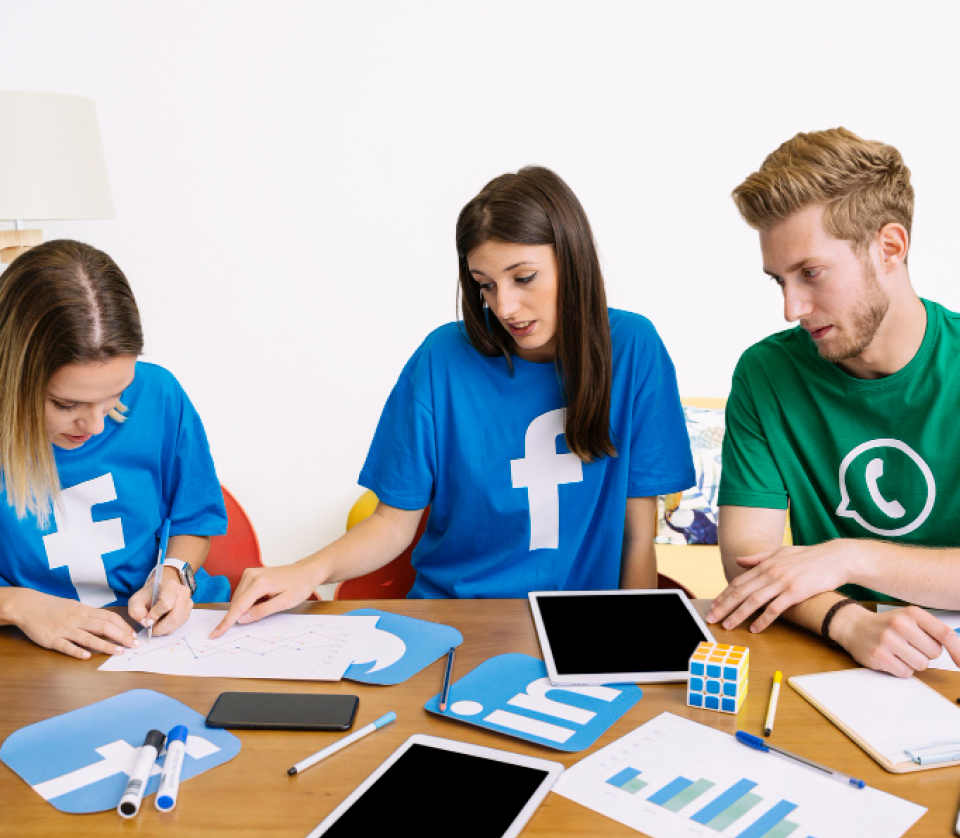
Facebook advertising remains one of the most cost-effective digital marketing channels for businesses of all sizes. However, one of the most common questions advertisers ask is: How much does Facebook advertising actually cost?
The short answer, there is no fixed price. Facebook ad costs depend on multiple variables, including targeting, bidding strategy, campaign objectives, competition, and ad quality. In this guide, we break down Facebook advertising pricing in detail, along with real-world benchmarks and proven cost-optimization tips.
How Facebook Advertising Pricing Work
Facebook ads operate on an auction-based system. Every time a user opens Facebook, Instagram, or Messenger, Meta runs an auction to decide which ads will appear and in what order.
Your ad doesn’t automatically win because you bid the highest amount. Instead, Facebook evaluates three key factors:
1. Bid Amount
The bid amount represents how much you’re willing to pay for a specific action, such as a click, impression, lead, or conversion.
- Higher bids can increase ad visibility
- Lower bids can still win auctions if relevance is strong
- Facebook often adjusts bids automatically to achieve the best results within your budget
Rather than overbidding, a balanced bidding strategy combined with strong performance signals usually delivers better cost efficiency.
2. Ad Quality & Relevance
Ad quality is one of the strongest cost-controlling factors in Facebook advertising. Ads that resonate with users are rewarded with lower costs.
- Higher engagement rates signal relevance
- Positive interactions such as clicks, video views, and conversions reduce CPC and CPM
- Poor-quality ads face higher costs or limited delivery
High-quality creatives, compelling messaging, and clear calls-to-action directly improve relevance scores and lower ad costs.
3. Estimated Action Rate
Facebook predicts how likely users are to take your desired action based on historical data and user behavior.
- Campaigns with strong conversion signals are prioritized
- Accurate tracking improves delivery efficiency
- Ads optimized for clear actions perform better over time
When Facebook believes users are more likely to convert, it delivers ads more efficiently, often at a lower cost per result.
Key Facebook Advertising Cost Metrics Explained
Understanding Facebook ad pricing requires familiarity with the most important cost metrics:
| Metric | Meaning | Common Use Case | Why It Matters |
|---|---|---|---|
| Cost Per Click (CPC) | You pay when a user clicks on your ad | Traffic and engagement campaigns | Strong indicator of ad relevance and audience interest |
| Cost Per Mille (CPM) | Cost per 1,000 impressions | Brand awareness and reach campaigns | Lower CPM delivers wider visibility at a lower cost |
| Cost Per Lead (CPL) | Cost to acquire a lead via form submission or sign-up | B2B, education, and service-based campaigns | Measures lead generation efficiency |
| Cost Per Acquisition (CPA) | Cost to generate a sale or conversion | ROI-focused and conversion campaigns | Most critical metric for profitability and growth |
Each metric varies depending on campaign goals, industry competition, and audience quality.
Average Facebook Advertising Costs (Benchmarks)
A. Global Cost Benchmarks
While costs fluctuate, most advertisers see the following average ranges:
- CPC: $0.50 – $1.00
- CPM: $8 – $15
- CPL: $5 – $50+
- CPA: $10 – $100+
Industries like finance, SaaS, and real estate tend to sit at the higher end due to aggressive competition.
B. Facebook Advertising Cost in India
India offers significantly lower advertising costs compared to global markets, making Facebook an attractive channel for lead generation and scaling.
Typical ranges:
- CPC: ₹0.65 – ₹2.20
- CPM: ₹40 – ₹150
- CPL: ₹50 – ₹300
- CPA: ₹100 – ₹800 (varies by industry)
However, lower costs don’t always mean higher profitability conversion quality and backend funnel optimization matter just as much.
C. Minimum Budget Required for Facebook Ads
Facebook allows advertisers to start with as little as ₹80–₹100 per day, but such budgets are only useful for awareness or basic testing.
From a performance perspective, we recommend:
- Testing campaigns: ₹300–₹500/day
- Lead generation: ₹800–₹1,500/day
- Sales & scaling campaigns: ₹2,000+/day
Adequate budget ensures Facebook’s algorithm collects enough data to optimize delivery efficiently.
Factors That Influence Facebook Advertising Cost
1. Campaign Objective
Your chosen campaign objective has the biggest impact on Facebook ad costs because it determines what action Meta optimizes for.
- Awareness Campaigns: These campaigns are designed to maximize reach and impressions. Since Facebook is only optimizing for visibility, the cost per 1,000 impressions (CPM) is usually the lowest. Awareness campaigns are ideal for brand exposure and top-of-funnel activity.
- Traffic Campaigns: Traffic ads focus on driving clicks to a website or landing page. The cost per click (CPC) is typically moderate, as Facebook targets users more likely to click but not necessarily convert.
- Conversion & Lead Generation Campaigns: These campaigns optimize for high-intent actions such as purchases, form submissions, or sign-ups. Since fewer users complete these actions, the cost per acquisition (CPA) is higher. However, the traffic quality and intent are significantly stronger, making these campaigns more valuable for ROI-driven businesses.
2. Audience Targeting
Audience selection plays a critical role in determining ad costs.
- Narrow or High-Value Audiences: Targeting specific interests, behaviors, job roles, or high-intent custom audiences increases competition in the auction. This often results in higher CPC and CPA because multiple advertisers are bidding for the same users.
- Broad Targeting: Broader audiences usually reduce CPC because competition is spread across a larger pool. However, success with broad targeting depends heavily on strong creatives and optimized messaging, as relevance becomes the deciding factor.
A balanced targeting strategy often delivers the best cost efficiency — starting broad and refining based on performance data.
3. Industry Competition
Some industries naturally experience higher Facebook advertising costs due to strong demand and aggressive bidding.
- Finance & Insurance: High CPC and CPA due to strict compliance and intense competition
- Education: High lead demand results in elevated CPL
- SaaS & B2B: Higher acquisition costs due to longer sales cycles and niche targeting
- Real Estate: Competitive bidding for location-based audiences
Industries with higher customer lifetime value tend to see higher costs, but they also justify higher spend if conversions are optimized effectively.
4. Ad Creative & Messaging
Creative quality directly impacts engagement and engagement directly affects cost.
- High-quality visuals and videos attract attention faster
- Clear, benefit-driven copy improves click-through rates
- Strong calls-to-action (CTAs) guide users toward conversion
Ads that generate higher engagement signals are rewarded by Facebook’s algorithm with lower CPC and CPM, making creative optimization one of the most effective cost-reduction strategies.
5. Ad Placements
Where your ads appear also influences overall cost efficiency.
- Automatic Placements: Facebook’s algorithm distributes ads across Feed, Stories, Reels, and Audience Network to find the lowest-cost opportunities. In most cases, this delivers better performance at a lower cost.
- Manual Placements: Restricting placements can increase CPM and CPC because you limit Facebook’s ability to optimize delivery. Manual placement selection should be used only when backed by clear performance data.
For most campaigns, automatic placements provide the best balance of reach, performance, and cost control.
6. Seasonality
Ad costs fluctuate throughout the year based on advertiser demand.
- Festive seasons and sale events (Diwali, Black Friday, year-end sales) drive higher competition
- Increased demand leads to higher CPM, CPC, and CPA
- Off-season periods often offer more cost-effective advertising opportunities
Planning campaigns around seasonal trends and adjusting budgets accordingly helps maintain consistent performance without overspending.
How to Reduce Facebook Advertising Costs (Expert Tips)
1. Campaign Objective
Your chosen campaign objective has the biggest impact on Facebook ad costs because it determines what action Meta optimizes for.
- Awareness Campaigns: These campaigns are designed to maximize reach and impressions. Since Facebook is only optimizing for visibility, the cost per 1,000 impressions (CPM) is usually the lowest. Awareness campaigns are ideal for brand exposure and top-of-funnel activity.
- Traffic Campaigns: Traffic ads focus on driving clicks to a website or landing page. The cost per click (CPC) is typically moderate, as Facebook targets users more likely to click but not necessarily convert.
- Conversion & Lead Generation Campaigns: These campaigns optimize for high-intent actions such as purchases, form submissions, or sign-ups. Since fewer users complete these actions, the cost per acquisition (CPA) is higher. However, the traffic quality and intent are significantly stronger, making these campaigns more valuable for ROI-driven businesses.
2. Audience Targeting
Audience selection plays a critical role in determining ad costs.
- Narrow or High-Value Audiences: Targeting specific interests, behaviors, job roles, or high-intent custom audiences increases competition in the auction. This often results in higher CPC and CPA because multiple advertisers are bidding for the same users.
- Broad Targeting: Broader audiences usually reduce CPC because competition is spread across a larger pool. However, success with broad targeting depends heavily on strong creatives and optimized messaging, as relevance becomes the deciding factor.
A balanced targeting strategy often delivers the best cost efficiency — starting broad and refining based on performance data.
3. Industry Competition
Some industries naturally experience higher Facebook advertising costs due to strong demand and aggressive bidding.
- Finance & Insurance: High CPC and CPA due to strict compliance and intense competition
- Education: High lead demand results in elevated CPL
- SaaS & B2B: Higher acquisition costs due to longer sales cycles and niche targeting
- Real Estate: Competitive bidding for location-based audiences
Industries with higher customer lifetime value tend to see higher costs, but they also justify higher spend if conversions are optimized effectively.
4. Ad Creative & Messaging
Creative quality directly impacts engagement and engagement directly affects cost.
- High-quality visuals and videos attract attention faster
- Clear, benefit-driven copy improves click-through rates
- Strong calls-to-action (CTAs) guide users toward conversion
Ads that generate higher engagement signals are rewarded by Facebook’s algorithm with lower CPC and CPM, making creative optimization one of the most effective cost-reduction strategies.
5. Ad Placements
Where your ads appear also influences overall cost efficiency.
- Automatic Placements: Facebook’s algorithm distributes ads across Feed, Stories, Reels, and Audience Network to find the lowest-cost opportunities. In most cases, this delivers better performance at a lower cost.
- Manual Placements: Restricting placements can increase CPM and CPC because you limit Facebook’s ability to optimize delivery. Manual placement selection should be used only when backed by clear performance data.
For most campaigns, automatic placements provide the best balance of reach, performance, and cost control.
6. Seasonality
Ad costs fluctuate throughout the year based on advertiser demand.
- Festive seasons and sale events (Diwali, Black Friday, year-end sales) drive higher competition
- Increased demand leads to higher CPM, CPC, and CPA
- Off-season periods often offer more cost-effective advertising opportunities
Planning campaigns around seasonal trends and adjusting budgets accordingly helps maintain consistent performance without overspending.
Facebook Advertising Cost by Industry
| Industry | Cost Trend |
|---|---|
| E-commerce | Moderate CPC, scalable CPA |
| Education | Mid to high CPL |
| Real Estate | High CPC, strong lead value |
| Finance & Insurance | High CPC & CPA |
| Local Services | Low to moderate CPL |
| B2B & SaaS | High CPL, longer conversion cycle |
Final Thoughts
Facebook advertising costs are flexible, scalable, and performance-driven. When approached strategically with the right objectives, targeting, and creatives businesses can achieve predictable growth at a controlled cost.
FAQs: Facebook Advertising Cost
1. How much does Facebook advertising cost per month?
Monthly spend varies widely. Small businesses typically spend ₹15,000–₹50,000, while growth-focused brands invest ₹1,00,000+ per month.
2. Is Facebook advertising cheaper than Google Ads?
In most cases, yes. Facebook offers lower CPC and better audience targeting for discovery, while Google excels in high-intent searches.
3. What is the minimum daily budget for Facebook ads?
Facebook allows campaigns from ₹80/day, but performance campaigns typically need ₹300+ per day.
4. Why are my Facebook ads getting expensive?
Common reasons include poor creative relevance, audience saturation, high competition, or incorrect campaign objectives.
5. Can Facebook ads guarantee sales or leads?
No platform guarantees results. Performance depends on targeting, creative quality, landing pages, and funnel optimization.
6. Are Facebook ads worth it in 2026?
Yes. With proper strategy, tracking, and optimization, Facebook remains one of the highest-ROI paid advertising platforms.